

The Pokémon GO PvP meta has changed sharply during the Forever Forward Season. The new Trainer Battle system became available to all Trainers on June 23, and Mimikyu also became legal in regular GO Battle League battles from that date. One important exception remains: Mimikyu cannot enter Competitors Cup, the format being used for the 2026 Pokémon World Championships through August 30. This tier list therefore focuses on the regular GO Battle League meta, not the separate Worlds ruleset.



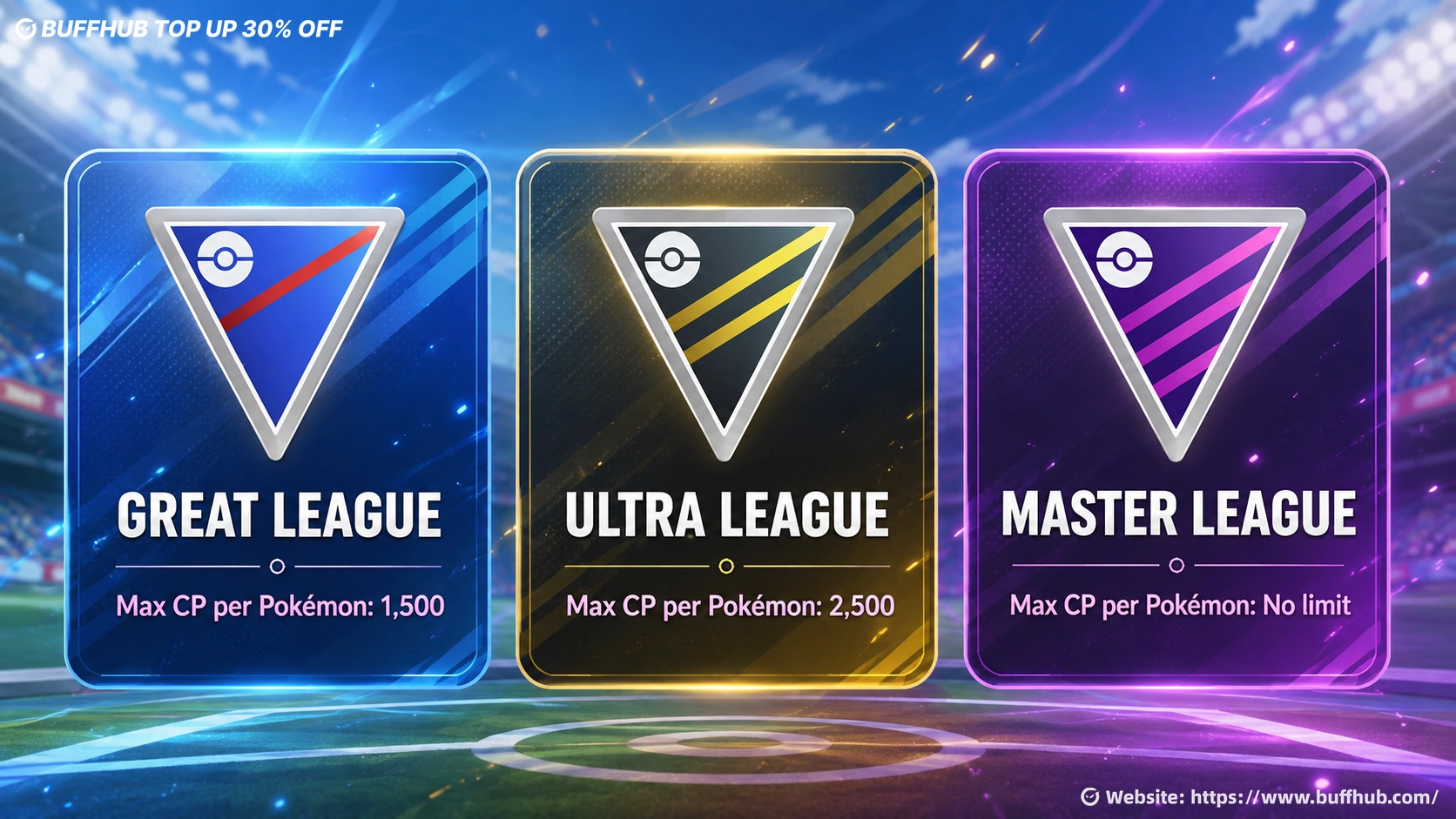







There is no useful way to rank every PvP Pokémon in one universal list because the three main leagues have different limits. Great League allows Pokémon up to 1,500 CP, Ultra League allows up to 2,500 CP, and Master League has no maximum CP limit. Each battle party contains three Pokémon, so team fit, coverage, shields, and switching matter just as much as an individual ranking.
Pokémon GO PvP Tier List at a Glance
The current rankings show a major difference between capped and uncapped formats. Mimikyu is ranked first in both Great League and Ultra League, while Crowned Sword Zacian leads Master League. Lickilicky is also unusually strong across both capped leagues, sitting second in each, while the Master League top group is built around Crowned Sword Zacian, Origin Forme Palkia, and Metagross.
| League | #1 | #2 | #3 | #4 | #5 | CP Limit |
|---|---|---|---|---|---|---|
| Great League | Mimikyu | Lickilicky | Tinkaton | Altaria | Empoleon | 1,500 CP |
| Ultra League | Mimikyu | Lickilicky | Corviknight | Tinkaton | Shadow Corviknight | 2,500 CP |
| Master League | Crowned Sword Zacian | Origin Forme Palkia | Metagross | White Kyurem | Lunala | No maximum |
These positions should be treated as a current meta snapshot rather than a permanent verdict. PvPoke calculates its rankings through matchup simulations and evaluates Pokémon across several battle roles, while Pokémon GO Hub derives its tier lists from that PvPoke data. A higher rank is useful when comparing options, but it cannot account for every IV spread, shield state, energy advantage, opposing team, or decision made during an actual battle.
Top Five PvP Builds by League
| League | Rank | Pokémon | Fast Attack | Charged Attacks |
|---|---|---|---|---|
| Great League | 1 |
Mimikyu
|
Shadow Claw | Shadow Sneak + Play Rough |
| Great League | 2 |
Lickilicky
|
Rollout | Body Slam + Shadow Ball |
| Great League | 3 |
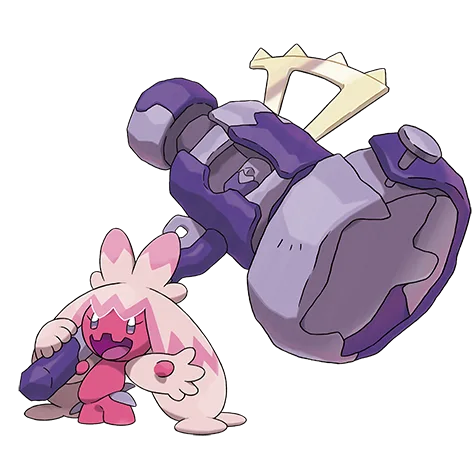
Tinkaton
|
Fairy Wind | Gigaton Hammer + Bulldoze |
| Great League | 4 |
Altaria
|
Dragon Breath | Sky Attack + Flamethrower |
| Great League | 5 |
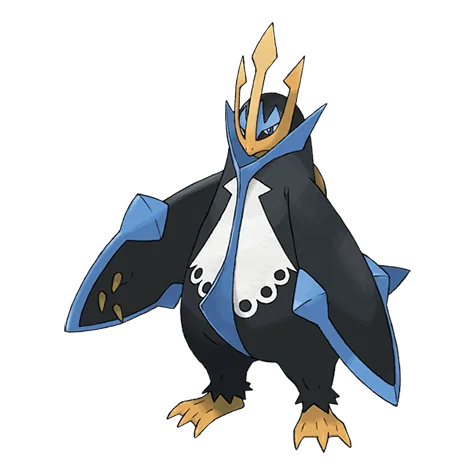
Empoleon
|
Metal Sound | Hydro Cannon + Drill Peck |
| Ultra League | 1 |
Mimikyu
|
Shadow Claw | Shadow Sneak + Play Rough |
| Ultra League | 2 |
Lickilicky
|
Rollout | Body Slam + Shadow Ball |
| Ultra League | 3 |
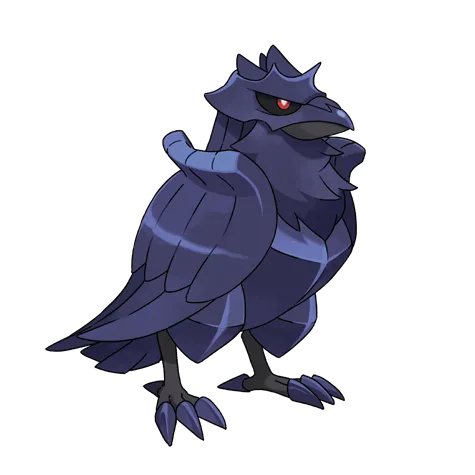
Corviknight
|
Sand Attack | Air Cutter + Payback |
| Ultra League | 4 |
Tinkaton
|
Fairy Wind | Gigaton Hammer + Bulldoze |
| Ultra League | 5 |
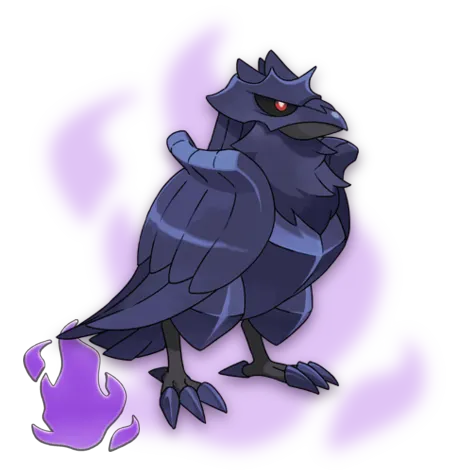
Shadow Corviknight
|
Sand Attack | Air Cutter + Payback |
| Master League | 1 |
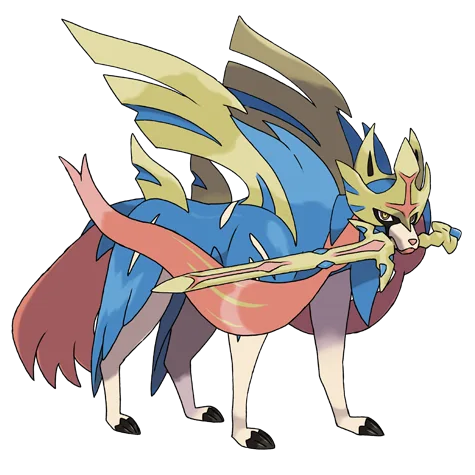
Crowned Sword Zacian
|
Metal Claw | Close Combat + Behemoth Blade |
| Master League | 2 |
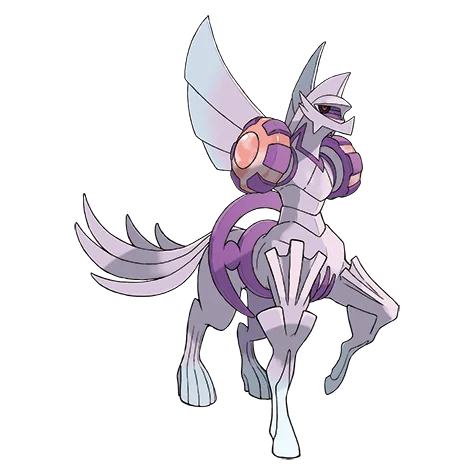
Origin Forme Palkia
|
Dragon Breath | Aqua Tail + Spacial Rend |
| Master League | 3 |
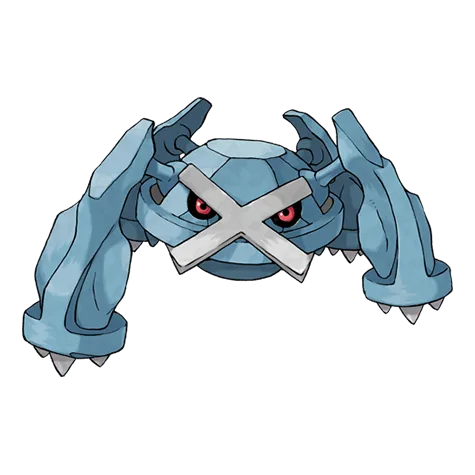
Metagross
|
Shadow Claw | Meteor Mash + Earthquake |
| Master League | 4 |
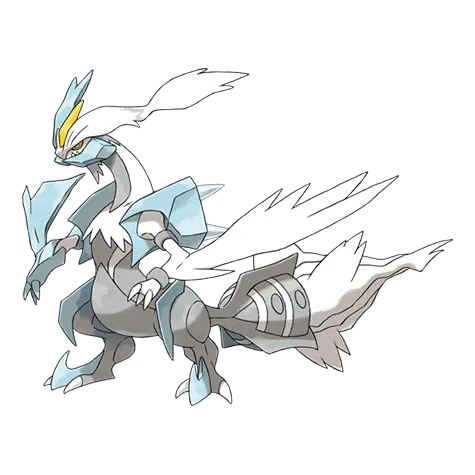
White Kyurem
|
Dragon Breath | Fusion Flare + Ice Burn |
| Master League | 5 |
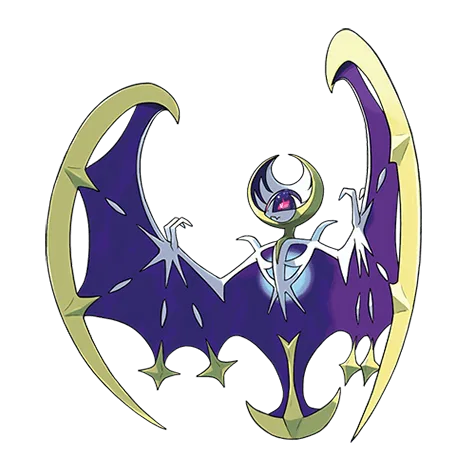
Lunala
|
Shadow Claw | Shadow Ball + Moonblast |



How the PvP Rankings Work?
PvPoke does more than simulate a simple one-on-one fight. Its overall rankings account for performance as a Lead, Closer, Switch, Charger, and Attacker, along with consistency. Leads are evaluated with shields available, Closers with no shields, and Switches with an energy advantage designed to represent coming into battle after an unfavorable opening matchup. This is why a Pokémon that is excellent in one role does not automatically become the best choice for every team.
The tier labels below follow the current ranking data rather than creating an artificial list based only on popularity. S Tier represents the strongest current options, while A+ and A Pokémon remain highly competitive and may fit a particular team better than the Pokémon ranked directly above them. B-tier choices can still work, especially when they solve a specific matchup problem, but they generally give up more consistency against the wider field.
Great League Tier List
Great League has a maximum of 1,500 CP, so raw maximum CP does not decide the meta. The current ranking is led by Mimikyu, followed by Lickilicky, Tinkaton, Altaria, and Empoleon. Shadow variants also appear prominently near the top, but the regular and Shadow versions should be treated as separate builds because their rankings are not identical.
Mimikyu Is the New Great League Benchmark
Mimikyu currently holds the #1 Great League position with Shadow Claw, Shadow Sneak, and Play Rough. Its arrival matters because it was not simply another seasonal balance change: Mimikyu became eligible for regular GO Battle League only after the new PvP battle system launched on June 23. If you are building specifically for normal Great League, it deserves consideration at the top of the list, but players preparing for Competitors Cup should not build a Worlds team around it because that format excludes Mimikyu.
Lickilicky and Tinkaton Remain Elite Alternatives
Lickilicky sits directly behind Mimikyu and uses Rollout, Body Slam, and Shadow Ball, while Tinkaton ranks third with Fairy Wind, Gigaton Hammer, and Bulldoze. That gap is not a reason to abandon either Pokémon if you already have a strong build ready for battle. Both remain in the highest group below the current #1 spot, so spending a large amount of Stardust simply to move from an established top-three option to the first-ranked Pokémon may give less practical value than improving a weak second or third team slot.
Altaria and Empoleon Give the Top Five More Variety
Altaria and Empoleon round out the current Great League top five. Altaria's recommended set is Dragon Breath, Sky Attack, and Flamethrower, while Empoleon uses Metal Sound, Hydro Cannon, and Drill Peck. Their presence is useful when building a team because the best three Pokémon on a ranking page are not automatically the best three Pokémon to place together; a balanced party still needs different matchup tools rather than three individually high rankings that share the same problems.
The next group is deep enough that players do not need to force only the top five. Shadow Altaria, Shadow Empoleon, both versions of Quagsire, Jellicent, Forretress, Ninetales, and Feraligatr all sit inside the current top 15. If one of those Pokémon is already fully prepared and fits your team better, rebuilding an entire slot for a small ranking improvement is not automatically the better use of resources.
Ultra League Tier List
Ultra League raises the CP limit to 2,500, but Mimikyu remains the current #1. Lickilicky again takes second place, while Corviknight moves into third and Tinkaton follows in fourth. Before committing resources to an Ultra League build, check how far your individual Pokémon needs to be powered up, because several top choices can require much more investment here than they do in Great League.
Mimikyu and Lickilicky Lead Again
The top two do not change when moving from Great League to Ultra League. Mimikyu keeps Shadow Claw, Shadow Sneak, and Play Rough, while Lickilicky again uses Rollout, Body Slam, and Shadow Ball. This makes both especially interesting for players who enjoy more than one league, but do not assume that one individual Pokémon can simply be moved between the two formats; the CP limits and ideal build requirements are different.
Corviknight Is One of Ultra League's Strongest Builds
Regular Corviknight currently ranks third with Sand Attack, Air Cutter, and Payback, while Shadow Corviknight is fifth with the same recommended moves. The regular version therefore ranks slightly higher in the present simulation data rather than the Shadow form automatically being an upgrade. If you already own one version that is close to battle-ready, compare the actual investment and team fit before assuming that building the other will produce a meaningful improvement.
Tinkaton, Florges, Shadow Empoleon, Virizion, Empoleon, and Galarian Moltres fill out the A+ group behind them. This gives Ultra League several strong directions rather than one mandatory core. Jellicent, Forretress, Zygarde Complete Form, Shadow Feraligatr, and Alolan Ninetales also remain inside the current top 15, so an existing competitive build does not become obsolete just because it sits outside the first page of names players usually discuss.
What Is the Current Master League Tier List ?
Master League has no maximum CP limit, which changes the resource question completely. The current top three are Crowned Sword Zacian, Origin Forme Palkia, and Metagross, followed by White Kyurem and Lunala. Because extra power-ups are not stopped by a 1,500 or 2,500 CP ceiling, a strong species that is far below its potential CP can still enter the league but will give up raw stats against more developed opponents.
Crowned Sword Zacian, Origin Palkia, and Metagross Form the S Tier
Crowned Sword Zacian currently takes first place with Metal Claw, Close Combat, and Behemoth Blade. Origin Forme Palkia follows with Dragon Breath, Aqua Tail, and Spacial Rend, while Metagross ranks third using Shadow Claw, Meteor Mash, and Earthquake. Unlike Great and Ultra League, the published Master League tier list places all three in S Tier, giving players a clear top group rather than a lone #1 surrounded by A+ options.
The gap after the top three does not make the A-tier group weak. White Kyurem, Lunala, Xerneas, Origin Forme Dialga, Reshiram, Crowned Shield Zamazenta, and Black Kyurem all sit inside the current top 10. Kyogre, Zekrom, Marshadow, and Shadow Reshiram follow before Eternatus begins the B-tier section at rank 15.
Resource planning matters more here than chasing a single ranking position. Several of the leading Master League Pokémon are Legendary or otherwise difficult builds, and a ranking table does not reduce the Candy, Stardust, or move-access requirements needed to prepare them. If you already have a highly developed A-tier Pokémon, finishing a competitive three-Pokémon core can be more useful than spreading resources across several top-ranked projects that remain underpowered.
What Makes a Pokémon Good in PvP?
A strong PvP Pokémon needs more than a high CP or one powerful Charged Attack. Bulk helps it stay on the field, while efficient energy generation determines how often it can threaten Charged Attacks. Shield pressure becomes important when an opponent cannot safely ignore those attacks, and coverage gives a Pokémon options when it meets something that resists its main damage type. These qualities work together differently depending on whether the Pokémon opens the battle, switches in, or tries to finish the final matchup.
PvPoke's role categories help explain this difference. Leads are tested with shields available, Closers are evaluated without shields, and Switches are judged with an energy advantage after entering battle. Its overall score then combines multiple performance categories rather than treating one shield scenario as the entire game, which is why the highest simulated Pokémon is not guaranteed to be the best member for your specific three-Pokémon team.
Movesets also matter enough that simply owning the right species is not sufficient. PvPoke evaluates the move combinations that perform best across matchups and specifically points out that a second Charged Move can add substantial value when it improves coverage in a meaningful number of battles. Before investing heavily in a high-ranked Pokémon, check that you can actually build the moveset that gives it the ranking you are looking at.
Which PvP Pokémon Should You Build First?
If Your Stardust Is Limited
Start with the league you actually intend to play instead of trying to build all three lists at once. A Great League Pokémon only needs to fit under 1,500 CP, while an Ultra League project may need considerably more powering up, and Master League removes the CP ceiling entirely. An existing A-tier Pokémon that already has the correct moves and is close to the league limit can therefore be a much better short-term investment than beginning a new #1-ranked project from scratch.
Your second Charged Move deserves priority when it materially improves the build. A Pokémon with only half of its recommended moveset may lose the flexibility that made it rank highly in the first place. Before spending an Elite TM or a large stock of resources for one place on a ranking table, compare what the upgrade actually changes for your team rather than treating every numerical rank difference as equally important.
If You Already Have a PvP Core
Look for the weak point rather than replacing the lowest-ranked name automatically. If your Great League team already contains a prepared Lickilicky or Tinkaton, their current #2 and #3 positions leave little reason to abandon them simply because Mimikyu is first. The same logic applies in Ultra League, where Lickilicky, Corviknight, and Tinkaton all remain immediately behind Mimikyu.
The better upgrade may be a safer switch, different coverage, or a second Pokémon that handles the opponents giving your current team trouble. Rankings are most useful for finding strong candidates; they are less useful when treated as instructions to put ranks one, two, and three into the same battle party. Pokémon GO itself recommends varying a party so that switching can help exploit different type matchups.
If You Are Building for Master League
Concentrate resources instead of starting too many expensive projects. With no CP ceiling, incomplete builds have fewer places to hide, and the current top 15 contains many Pokémon that may require significant acquisition and development effort. Finishing the core you actually plan to battle with is generally more practical than owning several high-ranked names that are not ready to compete.
How Forever Forward Changed the PvP Meta
Forever Forward did not leave the existing move pool untouched. The official Season update changed the power or energy behavior of several attacks, including Drill Run, Dragon Ascent, Gust, Charm, Wrap, Energy Ball, Silver Wind, and Earthquake. Because PvP rankings are built from simulated matchups and movesets, changes like these can move Pokémon up or down even when the Pokémon itself receives no stat change.
- Drill Run: Power reduced from 80 to 70; energy cost decreased.
- Dragon Ascent: Power reduced from 150 to 110; energy cost decreased.
- Earth Power: Energy cost decreased.
- Gust: Energy generation increased.
- Charm: Power reduced from 13 to 12.
- Wrap: Power increased from 60 to 70.
- Energy Ball: Power reduced from 90 to 80; energy cost decreased.
- Silver Wind: Power increased from 60 to 75.
- Earthquake: Power increased from 110 to 120.
The Season also expanded several Pokémon's movepools. Sliggoo gained Dragon Breath and Body Slam, Sylveon gained Fairy Wind and Shadow Ball, Melmetal gained Dynamic Punch, Seismitoad gained Icy Wind, Kingdra gained Surf, and Rhyperior gained Drill Run. These are exactly the kinds of updates that make a PvP tier list something that should be refreshed during each Season rather than published once and left unchanged.
What Is the Current Forever Forward League Schedule?
As of August 10, Ultra League is in the active August 4–11 rotation alongside Weather Cup: Great League Edition. Master League takes over from August 11–18, Great League returns from August 18–25, and all three standard leagues will run together from August 25 to September 1. The August 11–18 and August 25–September 1 periods also award four times Stardust from win rewards, excluding end-of-set rewards.
- August 4–11: Ultra League + Weather Cup: Great League Edition.
- August 11–18: Master League + Evolution Cup: Great League Edition.
- August 18–25: Great League + Scroll Cup: Great League Edition.
- August 25–September 1: Great League, Ultra League, and Master League.
- September 1–8: Great, Ultra & Master League: Mega Edition.
Forever Forward also includes GO Battle Thursday each Thursday from 12:00 a.m. to 11:59 p.m. local time. During that Daily Discovery bonus, the maximum number of sets rises from five to 10, allowing up to 50 battles, and win rewards can provide up to four times Stardust. For players trying to learn a new team, those extra sets provide more opportunities to practice without waiting for the following day.
Pokémon GO PvP Tier List FAQ
What is the best Pokémon for Great League in 2026?
Mimikyu is currently ranked #1 for regular Great League, with Shadow Claw, Shadow Sneak, and Play Rough as its recommended moveset. Lickilicky, Tinkaton, Altaria, and Empoleon complete the current top five.
What is the best Pokémon for Ultra League right now?
Mimikyu currently holds the #1 Ultra League position as well. Lickilicky is second, followed by Corviknight, Tinkaton, and Shadow Corviknight.
What is the best Pokémon for Master League?
Crowned Sword Zacian currently ranks first in Master League with Metal Claw, Close Combat, and Behemoth Blade. Origin Forme Palkia and Metagross complete the current S-tier top three.
Why can't Mimikyu be used in Competitors Cup?
Mimikyu became eligible for regular GO Battle League when the new PvP system launched on June 23, 2026, but Pokémon GO specifically excluded it from Competitors Cup. Competitors Cup remains available through August 30 and is also the rules environment being used for the 2026 Pokémon World Championships.
Are Pokémon GO PvP rankings guaranteed to predict battles?
No. Current rankings are based on simulations across matchups, movesets, and different battle roles, so they are useful for comparing Pokémon rather than guaranteeing individual wins. Shield use, energy, switching, IVs, team composition, and player decisions can all change how a matchup plays out.