

Richard is an SSR Tank attacker in Last War: Survival. He can fill an early damage slot while you develop your roster, but the Tank vehicle icon does not make him a defensive frontliner. Put him behind your defenders in a normal five-hero formation, use the strength he already has, and avoid building an expensive permanent setup for a slot you expect Kimberly, Stetmann or another developed attacker to take.


Tank Type Does Not Mean Frontline Defender
Richard's kit provides physical damage and a personal Attack increase. It does not supply the protection that would justify using him as the default replacement for Murphy or Scarlett. If he dies before delivering his attacks, adding damage upgrades is less useful than fixing his position.
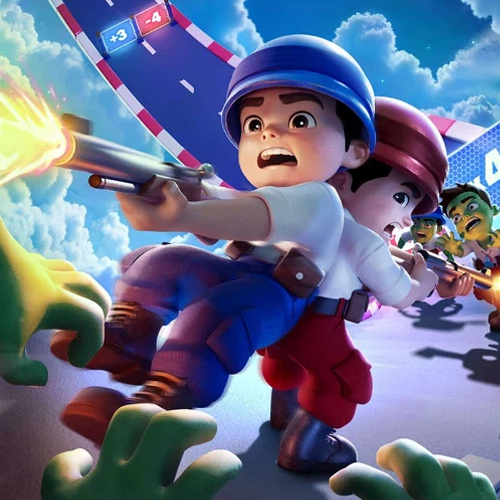




A beginner squad discussion in the player community recommends Richard or Mason in the back row behind defensive heroes. That placement is consistent with Richard's skill functions. The same discussion also contains oversimplified claims about other heroes, which is why formation advice should be checked against what each skill actually does.
For ordinary combat, start with two developed defenders in front and Richard alongside the remaining attacker or support options behind them. Against a damage-only boss that barely threatens your heroes, an attacker-heavy formation can be worth trying. That is a mode-specific exception, not evidence that Richard has become a defensive hero.
What His Skills Contribute
| Skill | Function | Investment implication |
|---|---|---|
| Howitzer | Regular physical attack | Contributes throughout the fight, including between tactics activations |
| Ballistic Boost | Raises Richard's own Attack | Improves his damage rather than buffing the whole squad |
| Multi-Load | Physical rockets aimed at two random enemies | Can spread damage; it does not guarantee a hit on the enemy carry |
| Super Sensing | Expertise bonus to his own basic stats | Do not treat it as a fourth ordinary Skill Medal upgrade |
Multi-Load's random targeting is important when judging battle reports. One good result can come from landing damage on a vulnerable target; another can spread it across enemies who remain alive. Compare several similar fights before spending materials to reproduce a single unusually strong run.
How Much Should You Invest in Richard?
Use him freely when he is one of your strongest available attackers. Using an existing hero costs less than forcing an underdeveloped replacement into the lineup simply because that replacement ranks higher in an endgame list.
The spending decision is different. Richard-specific shards and universal SSR shards have different opportunity costs: the first cannot build another hero, while the second can. If Richard is a few named shards from a useful milestone, taking it can help your current squad. Emptying a universal stockpile to keep him ahead of an imminent replacement is harder to justify.
Apply the same rule to Skill Medals. First improve the skill that solves the fight you are actually losing. If he survives several tactics cycles and his burst is carrying the clear, Multi-Load is a reasonable first damage upgrade. If you are planning to replace him soon, stop after the immediate progression obstacle instead of automatically maximizing all three skills. Ballistic Boost benefits his attacks, but it cannot compensate for an underbuilt frontline collapsing.
Richard or Mason: Compare Their Jobs
Mason has a stronger reason to remain in a monster-focused plan: his SSR monster passive can help eligible back-row Tank attackers, and he has a seasonal UR promotion route. Richard's personal Attack passive does not provide that same team benefit. The Mason build guide covers the promotion costs and why saving shards matters.
That does not mean a newly unlocked Mason immediately outperforms your developed Richard. Keep Richard if he currently clears the content better; direct new shared investment toward the hero you intend to keep. This lets a temporary hero support progression without turning him into a second long-term project.
| Your roster situation | Recommended decision |
|---|---|
| Richard is developed; alternatives have low stars | Keep him active while building the replacement |
| Mason and Richard are similarly developed for monster fights | Compare the whole squad with Mason's monster support included |
| Richard is benched and needs universal shards to catch up | Keep those shards for a hero with an active role |
| You need a second frontline defender | Develop a defensive hero instead of treating Richard's vehicle type as protection |
Equipment Should Follow the Active Attacker
When Richard occupies a real damage slot, give him useful attack equipment from your existing inventory. A weapon or chip can improve that squad now and later move to his replacement. The costly mistake is commissioning and upgrading an extra set solely to preserve Richard's personal power after he leaves the team.
Do not dismantle a useful item merely because its current wearer is temporary. Decide whether the next upgrade will remain useful on the incoming attacker. Conversely, if your main carry already needs that item for a tougher fight, Richard's reserve squad should not keep it just to maintain a displayed power number.
Richard FAQ
Is Richard a defensive tank?
No. Tank is his vehicle type; Attack is his combat role. His normal position is behind heroes chosen to absorb damage.
Does Ballistic Boost strengthen everyone?
No. It increases Richard's own Attack. Do not include it as a squad-wide buff when comparing team compositions.
Can Multi-Load reliably snipe the back row?
No. Its targets are random. A successful hit on a vulnerable enemy is possible, but not a repeatable targeting plan.
Should a free-to-play account build him to maximum?
Only spending because he is available is not a good reason. Use existing development, take affordable milestones that help your current squad, and reserve shared resources for the roster you plan to continue using.