

Omen and Clove are practical first choices for a ranked Controller pool. Omen offers flexible smoke placement and a way to help teammates cross dangerous angles; Clove suits players who want to fight alongside the entry while retaining some smoke contribution after death. Choose between them by the rounds you struggle to solve, rather than by a purported universal win-rate ranking.



Controller Tier List for Ranked Team Needs
This is an editorial ranking for ordinary ranked teams choosing their main smoker, reviewed against Riot's updates through Patch 13.05. It weighs adaptable coverage, usable support and the coordination required to turn utility into a won fight. It does not rank professional compositions or claim a private match sample.






| Group | Controllers | Best reason to choose them |
|---|---|---|
| S: flexible starting pool | Omen, Clove | Learn repeatable smoke timing while retaining useful individual fighting options |
| A: choose with a round plan | Miks, Brimstone, Astra, Harbor | Convert a coordinated hit, support combination or particular approach into safer fights |
| Specialist | Viper | Build the team's approach around a wall and fuel timing rather than treating her as interchangeable dome smokes |
These groups describe the cost of getting useful value, not a ceiling on the agent. A practiced Astra player with clear calls can be a better fit than an unfamiliar S-tier pick. Avoid expanding your pool until you can smoke the important entrances on both sites without standing exposed in the placement interface.
What Each Controller Adds to Your Team
Clove: Fight Close Enough to Keep Supporting
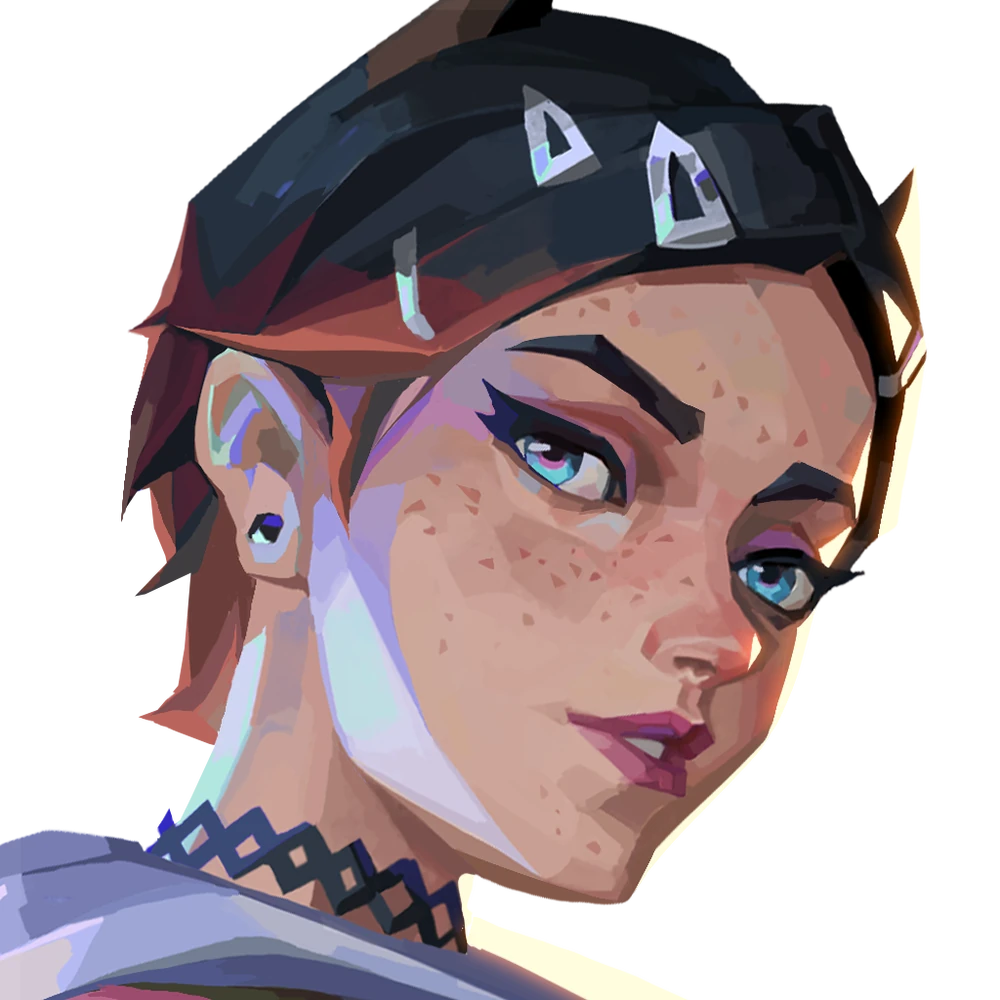
Clove fits a player who follows the first contact and takes trades. Ruse can still provide smoke support after death, but that is not permission to die anywhere on the map. Your position determines whether the remaining contribution is useful to the teammates actually contesting the objective.
The practical choice is to stay close enough to the planned hit that your utility and gun both matter. If you repeatedly smoke long before teammates leave the choke, the issue is timing, not the tier of your agent. Tell the entry when the cover is ready, then move together.
Miks: Get Agreement Before Spending Support
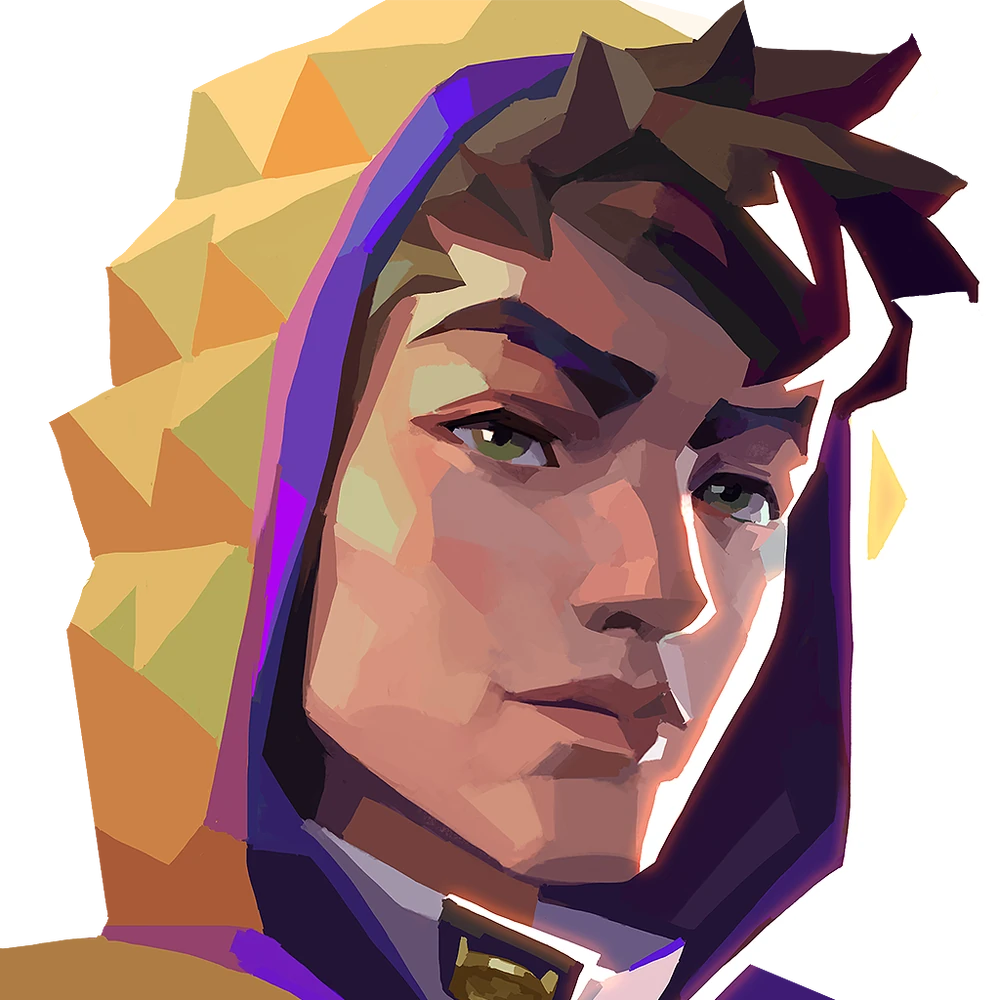
Harmonize can apply Combat Stim to Miks and a targeted ally, while M-pulse offers a choice between healing and concussing waves. That makes Miks attractive to a duo that already agrees on which fight to take. A buff on a teammate who is retreating and a concuss with nobody ready to swing are missed opportunities.
Choose the M-pulse mode around the immediate task: preparing a contested entry and recovering after surviving a fight are different situations. Post-release player discussions compare this shared utility with Clove's more immediate personal fighting tools. That is a useful selection question; it does not establish that either agent replaces the other.
Brimstone: Reward a Committed Execute
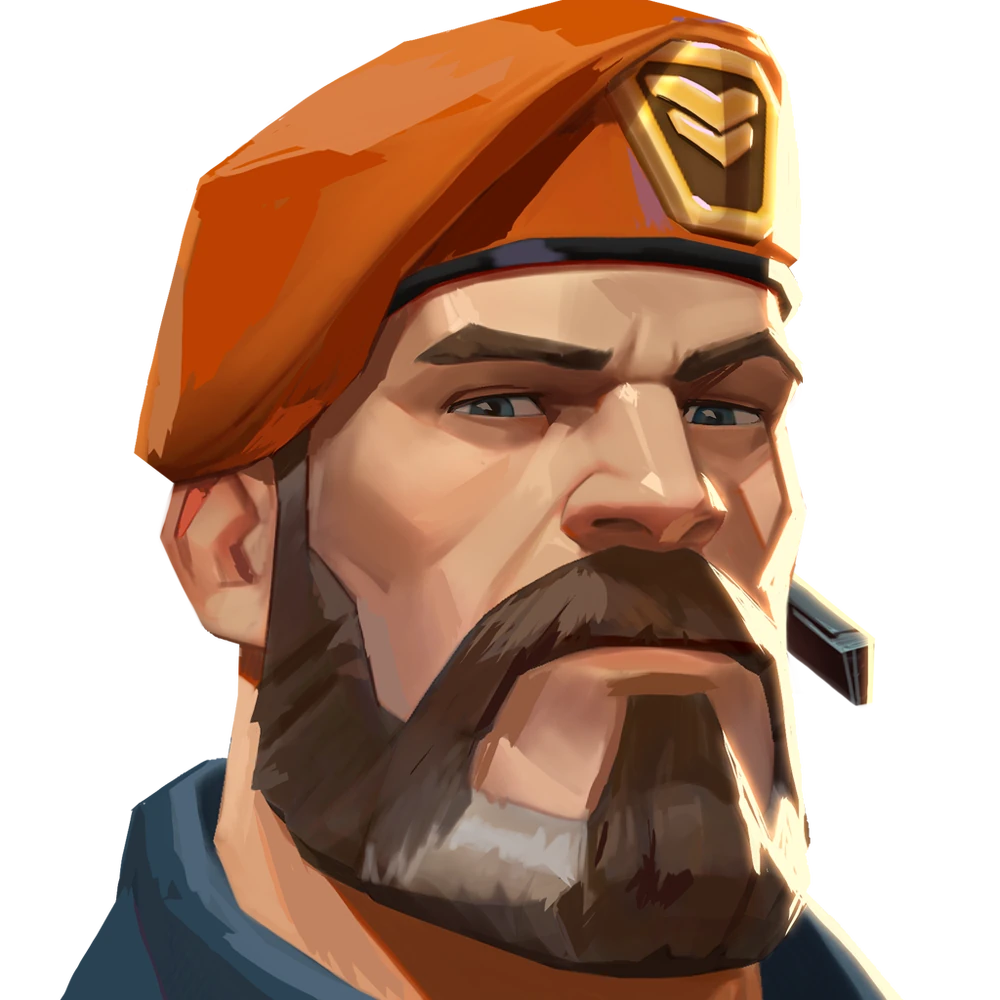
Brimstone is appealing when teammates are ready to enter together and several sightlines need covering as one action. Decide where the entry stops and where the spike goes before deploying the execute. If the team waits outside after the smokes land, you have spent a major part of the plan without taking space.
For a newer Controller, preparing one reliable execute on each site is more useful than memorizing several post-plant lineups while leaving the entry unsupported. A lineup becomes valuable after the team can actually reach its intended plant position.
Viper: Pick the Wall for the Route
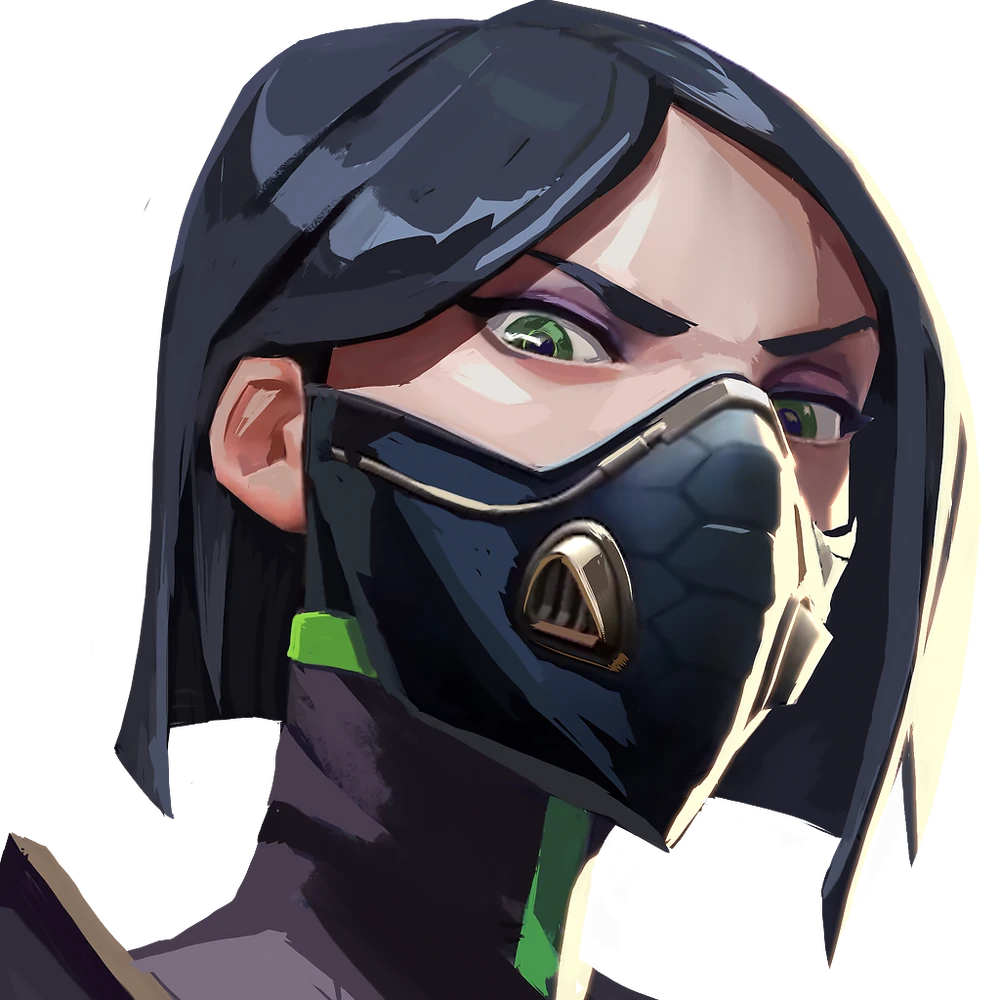
Viper's appeal is a planned division of space. Look at what the wall hides, where opponents can emerge, and whether your teammates can clear those exits. A wall that looks impressive on the minimap can still leave the planter exposed to an unaccounted angle.
Coordinate when the cover is active before someone crosses. Viper is the specialist choice here because a team that expects freely repositioned dome smokes may not play around her setup well. Pick her when you understand the route and timing the wall enables.
Astra: Turn Information into Timely Utility
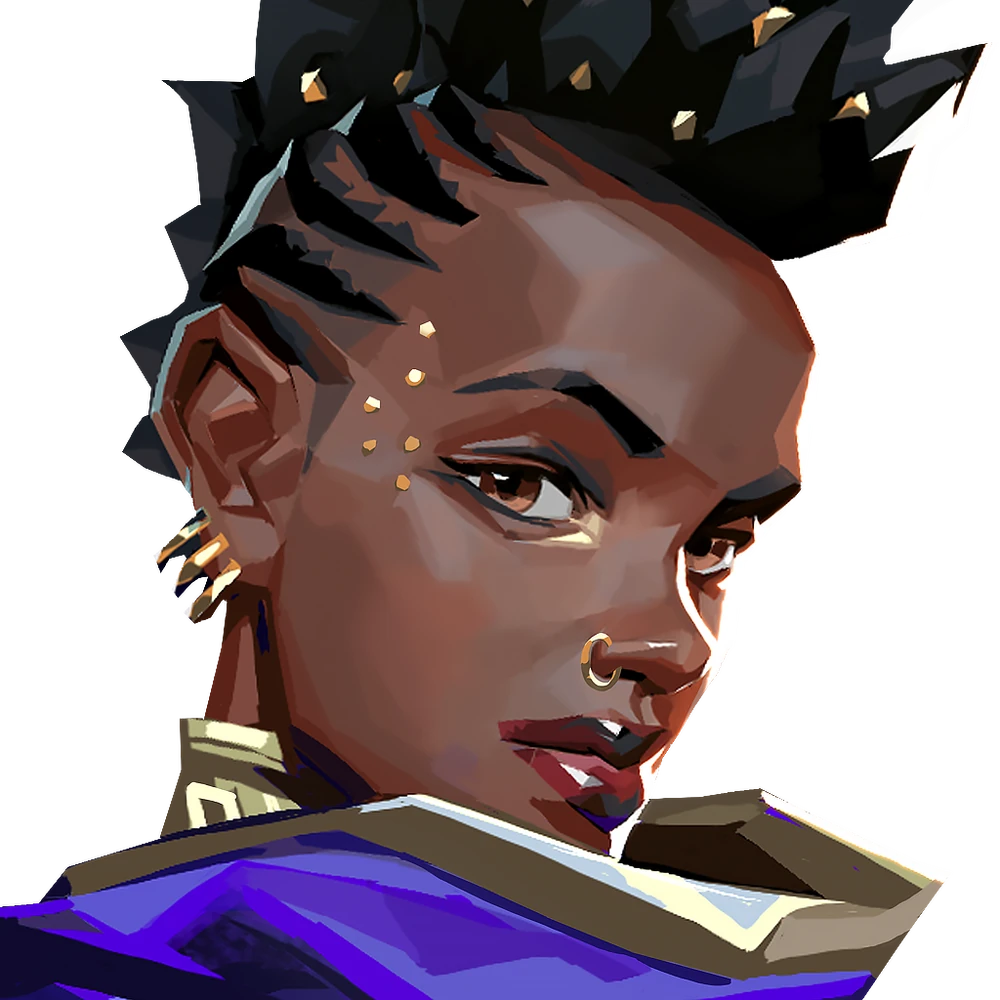
Astra rewards a player who follows the whole round and can act on teammates' calls. The challenge is not simply placing stars; it is keeping enough attention on your own safety while supporting a fight elsewhere.
Start with clear triggers such as a teammate making contact at a known choke. If you only discover the fight after the teammate dies, adding a complicated utility combination will not fix the delay. Short, agreed calls make her support easier to convert.
Omen: Cover the Fight, Then Help Win It
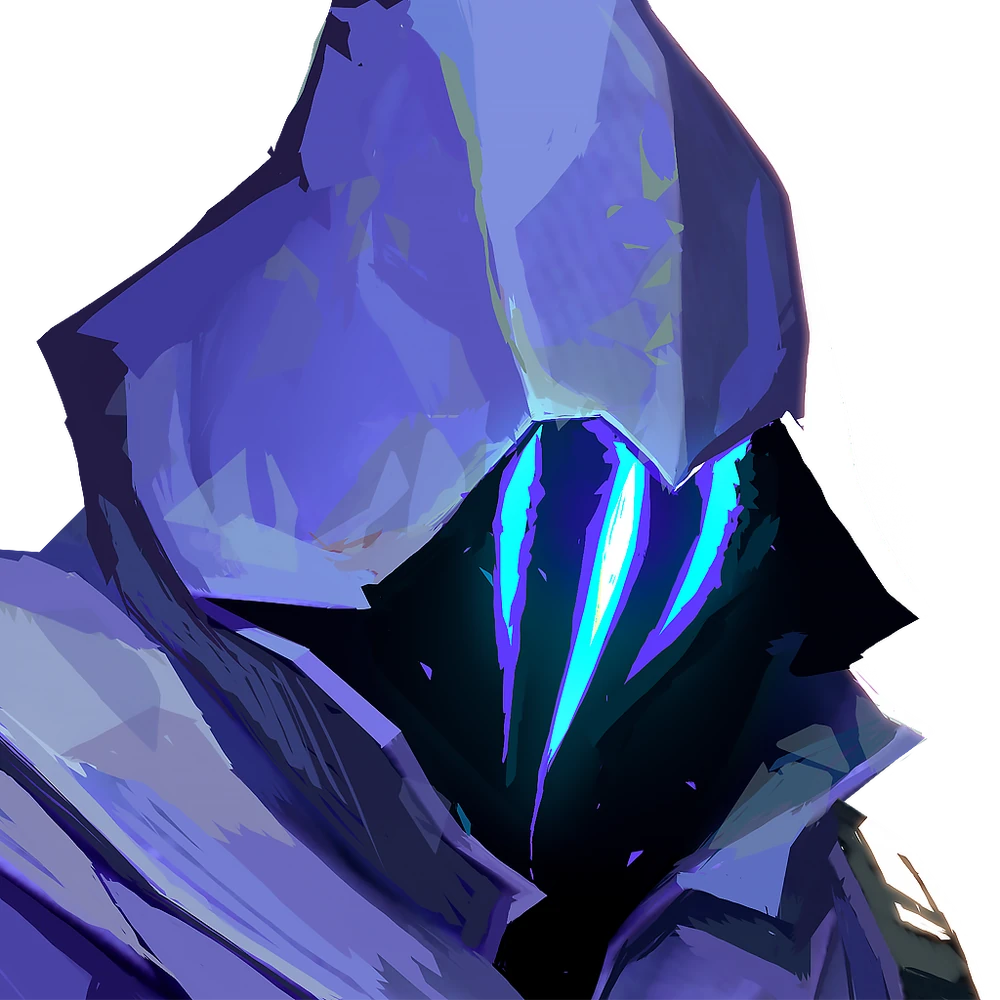
Omen combines smokes with Paranoia and repositioning options. This gives you another job after placing cover: prepare a teammate's swing or exploit the space the team has already secured. It does not require a speculative teleport behind opponents every round.
For a dependable ranked routine, identify the sightline to block and the defender your team still needs to dislodge. Smoke solves the first problem; coordinated follow-up addresses the second. Teleporting into an untradeable fight can undo both advantages.
Harbor: Make Cover Part of the Advance

Harbor suits teams that plan how to move through a contested approach. Cove and his water-based cover offer a different route into space from simply blocking a distant doorway. Recent player discussions disagree about Harbor versus Omen on particular maps because they value different execute and support options.
Use that disagreement as a checklist: does your lineup need help crossing and establishing a plant, or does it need more flexible support for separated fights? Pick Harbor for a route you can explain to teammates, rather than assigning him a low tier because he is less familiar.
The Smoke Mistake That Matters More Than Your Pick
A good smoke reduces the number of angles your teammate must fight. Place its boundary deliberately: unnecessary cover spilling into the playable area can give an opponent several exits to threaten. Then check whether it will still be serving its purpose when the entry actually moves.
- Before contact: get into a protected position before opening the placement interface.
- At the execute: synchronize deployment with the team's movement rather than an arbitrary early timer.
- After the plant: cover the angle the defenders need to cross, and keep a gun ready for the angle you are responsible for.
Players discussing Controller selection in September repeatedly raised coverage and timing alongside agent preference. This is actionable feedback: review whether a lost round came from an uncovered angle, expired cover or an untradeable fight before changing your main.
Frequently Asked Questions
Which Controller should a beginner learn?
Omen or Clove provides a useful starting pool. Choose Brimstone if you prefer practicing committed team executes first.
Is Clove always better than Miks?
No. Clove suits a more immediate fighting rhythm; Miks offers support choices that benefit from agreement with a teammate.
Does a specialist ranking mean Viper is weak?
No. It means the team should select and play around a wall-based plan instead of assuming the same coverage as another Controller.
Should I switch Controllers after a losing streak?
First identify the repeated failure. A new agent will not correct deploying cover before teammates are ready or being caught with the smoke interface open.