

For a practical ranked Duelist pool, start with Phoenix for self-contained fights, Jett for Operator play and flexible entry, or Raze for clearing crowded positions. Neon, Waylay and Yoru reward more specialized execution. Reyna and Iso can win gunfights, but they do less to solve a team that cannot get through the entrance. This tier list ranks dependable ranked value and learning return, not professional pick rate.



Reviewed September 17, 2026, against Riot's published updates through Patch 13.05. Placements below are editorial judgments based on ability roles, execution requirements and team needs. They are not derived from a private match database or a claimed Radiant win-rate sample.







Duelist Tier List for Choosing a Ranked Main
| Tier | Agents | How to read the placement |
|---|---|---|
| S — dependable starting choices | Phoenix, Jett, Raze | Clear roles that translate into useful rounds; choose the one matching your playstyle |
| A — strong with practiced execution | Neon, Waylay, Yoru | Movement or deception can create excellent entries, but a plan and follow-up matter |
| B — narrower team contribution | Reyna, Iso | Useful duel specialists when the lineup already has a workable entry plan |
A specialist can outperform this order. The question is not whether a Yoru main can win; it is whether learning Yoru from scratch fixes your next ranked problem more reliably than using an agent whose entry you already understand.
What Changed Since the Earlier 2026 Meta?
Riot reduced Neon's airborne High Gear movement and limited kill-based fuel restoration to her ultimate in Patch 12.09. Patch 13.01 increased Yoru's Gatecrash beacon duration from 15 to 20 seconds and made Iso's weapon equip instant after unequipping Double Tap. Patch 13.02 raised Phoenix's ultimate cost from six to seven points. Old explanations built around the earlier versions should not determine today's pick.
A recent player discussion about choosing a main captures the practical divide: some enjoy fast movement, while others report abandoning an agent when its execution does not fit them. One player specifically contrasted pre-nerf Neon shotgun play with the changed experience. These are individual experiences, not proof of an agent's population win rate.
Which Duelist Fits Your Rounds?
Neon: Plan the Route and the Fight at the End

Neon remains attractive when speed changes the timing of an engagement. The mistake is spending the entire route thinking about movement and reaching the fight without a clear target or teammate behind you. Practice a short entry route with a defined stopping point, then check whether your team can actually trade from that position.
Her recent movement changes make older airborne and shotgun clips a poor practice blueprint. A clean arrival with a rifle ready is more repeatable than copying a highlight that relied on previous mechanics.
Waylay: Reposition Without Abandoning the Space

Waylay's mobility and return mechanic allow aggressive pressure, while Hinder disrupts enemy movement and weapon handling. Her escape does not automatically mean the team has taken the site. Tell the second player where you are drawing attention and where you expect them to enter. Returning safely while nobody follows can leave the original choke unchanged.
Phoenix: The Straightforward Solo-Queue Choice
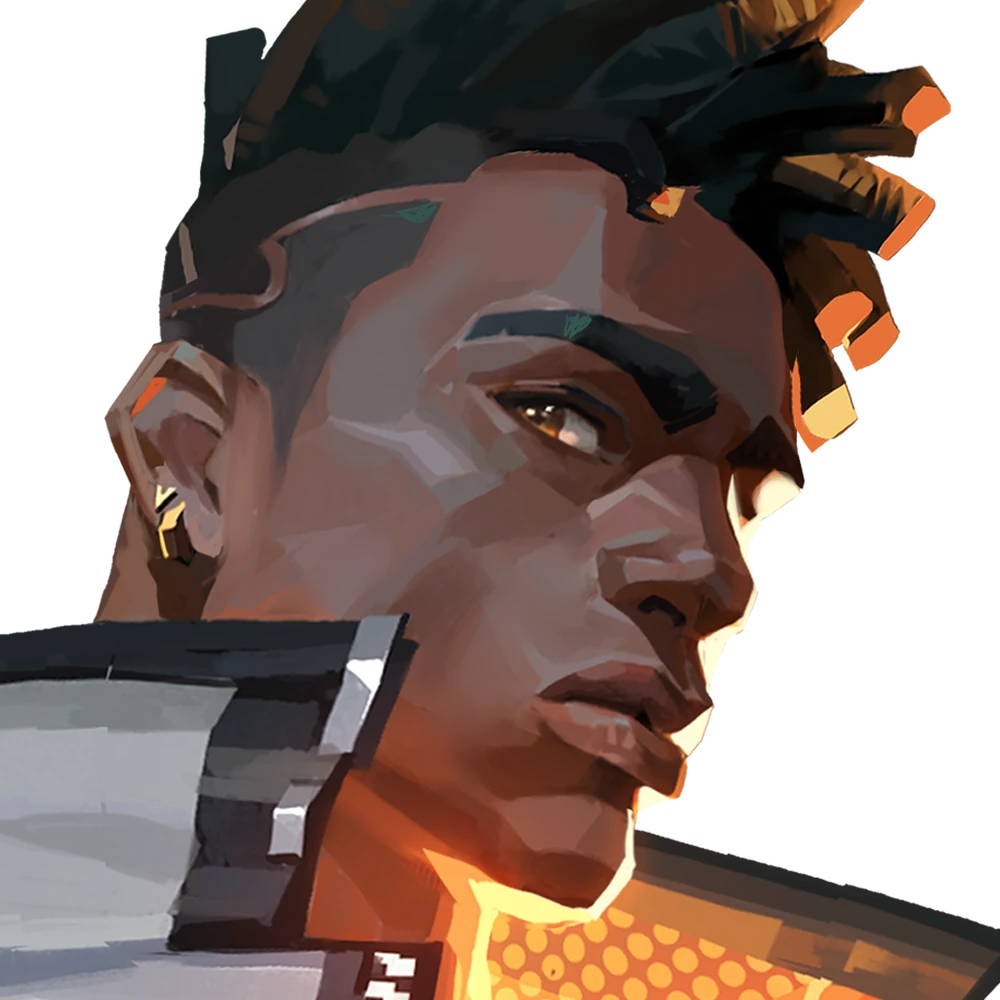
Phoenix suits players who want to prepare their own fight rather than wait for a perfect utility combination. Learn flash placement that does not blind the teammate following you, and use his wall to reduce the number of simultaneous sightlines. His ultimate now costs seven points, so the old promise of exceptionally frequent six-point ultimates is outdated.
Jett: Entry and Operator Rounds Need Different Plans

Jett's mobility makes her a useful choice for both opening space and escaping an exposed sniper angle. Those are different tasks. On an entry round, decide where the dash will draw crosshairs and which angle the next teammate clears. On an Operator round, choose the escape before taking the shot. A good K/D built from late exits does not demonstrate that attack-side entries are working.
Raze: Clear the Position Before Crossing It

Raze is valuable when defenders can hide in close pockets. Use her damage and clearing tools to force those positions before committing movement. Satchel practice is worthwhile, but the destination matters more than distance: landing beyond a teammate's trading angle turns a mechanically impressive entry into an isolated fight.
Reyna: Pick for Repeatable First Fights

Reyna rewards converting combat participation into follow-up advantages. She is easier to justify when your team already has a way to enter and you can take repeatable fights alongside it. She is less convincing when everyone waits outside a choke hoping someone else will create space. Do not confuse winning a favorable duel with supplying the utility that made it favorable.
Yoru: Deception Needs a Believable Alternative

Yoru can threaten a different timing or location, but a teleport without pressure elsewhere is often just an announced arrival. Prepare the beacon destination and the team's follow-up before committing. The 20-second beacon duration restored in Patch 13.01 gives more planning room than the previous 15-second version; it does not remove the need to check whether the destination is watched.
Iso: A Duel Specialist Still Needs an Entry Plan

Iso is useful when isolating or surviving a crucial fight is the round's requirement. The quicker weapon equip after Double Tap helps that preparation. He does not solve every blocked sightline by himself. If the team already lacks smokes or information, another duel-focused pick can worsen the composition even when your aim feels strong.
Judge Your Pick by Three Attack Rounds
- Before contact: identify the angle your utility removes and tell one teammate your entry destination.
- At contact: check whether that teammate can trade. If not, shorten the entry or change the timing.
- After contact: ask whether the team gained a plantable site, information for a rotation, or only a kill far from the objective.
If the recurring failure is absent or late smokes, switching between Duelists may not fix it. Coordinate with your Controller or review the Controller selection guide before adding another entry agent.
Frequently Asked Questions
Which Duelist is the easiest starting point?
Phoenix is a practical choice for learning self-prepared fights. Pick Jett or Raze instead if their specific movement role already fits your practice.
Does B tier mean Reyna and Iso are bad?
No. It means their narrower contribution needs a composition that already solves entry and sightline control.
Should I copy Radiant pick rates?
Only with the patch, map, sample and team context. Popularity alone does not tell you which agent fixes your own rounds.
Do I need to top-frag as a Duelist?
You need useful pressure and fights the team can convert. Repeated untradeable deaths and late cleanup kills tell a different story from successful entries.