

Building a strong main march in Whiteout Survival is not about replacing all three heroes every time a new generation arrives. The better strategy is to identify the weakest position in your current march, replace only the hero that gives you a meaningful upgrade, and save your Hero Shards, Hero Gear, Exclusive Gear materials, and Gems for upgrades that will last.


That matters even more in 2026. Whiteout Survival has reached Generation 17, but several Gen 13–16 heroes remain competitive enough to stay in a main march after newer characters become available. A fully developed older hero can also outperform a newer hero who is still missing stars, skills, or Exclusive Gear.



This guide shows a practical main-march progression from Gen 1 through Gen 17, including which heroes are worth replacing, which ones can survive multiple generations, and where F2P and low-spend players should save resources. For a broader look at progression systems, heroes, events, and combat mechanics, you can also use the Whiteout Survival game guide as a general reference.
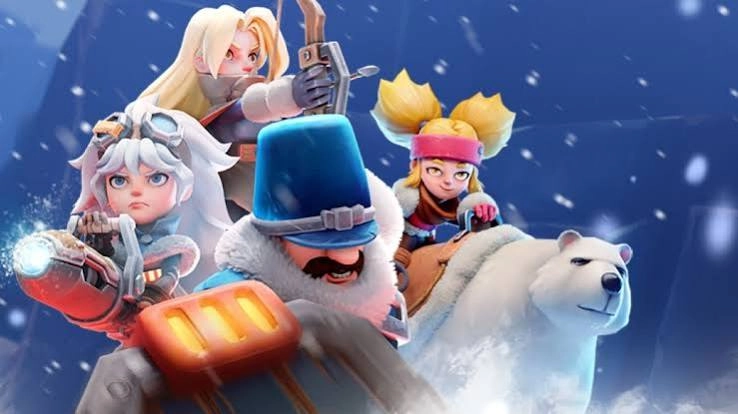
What Is the Best Main March in Whiteout Survival?
A standard Whiteout Survival march normally combines one hero for each troop type:
- Infantry protects the formation and absorbs frontline damage.
- Lancers provide the middle layer of damage, utility, or debuffs.
- Marksmen deliver high ranged damage from the backline.
Infantry naturally function as the frontline, while Marksmen are particularly vulnerable once that frontline collapses. This makes balanced investment more important than simply stacking your three highest-Power heroes.
For most players, the best main march is therefore not necessarily the three newest heroes available. It is the strongest completed Infantry + Lancer + Marksman combination your account can realistically maintain.
Best Main March by Generation
| Generation | Infantry | Lancer | Marksman | Main Upgrade |
|---|---|---|---|---|
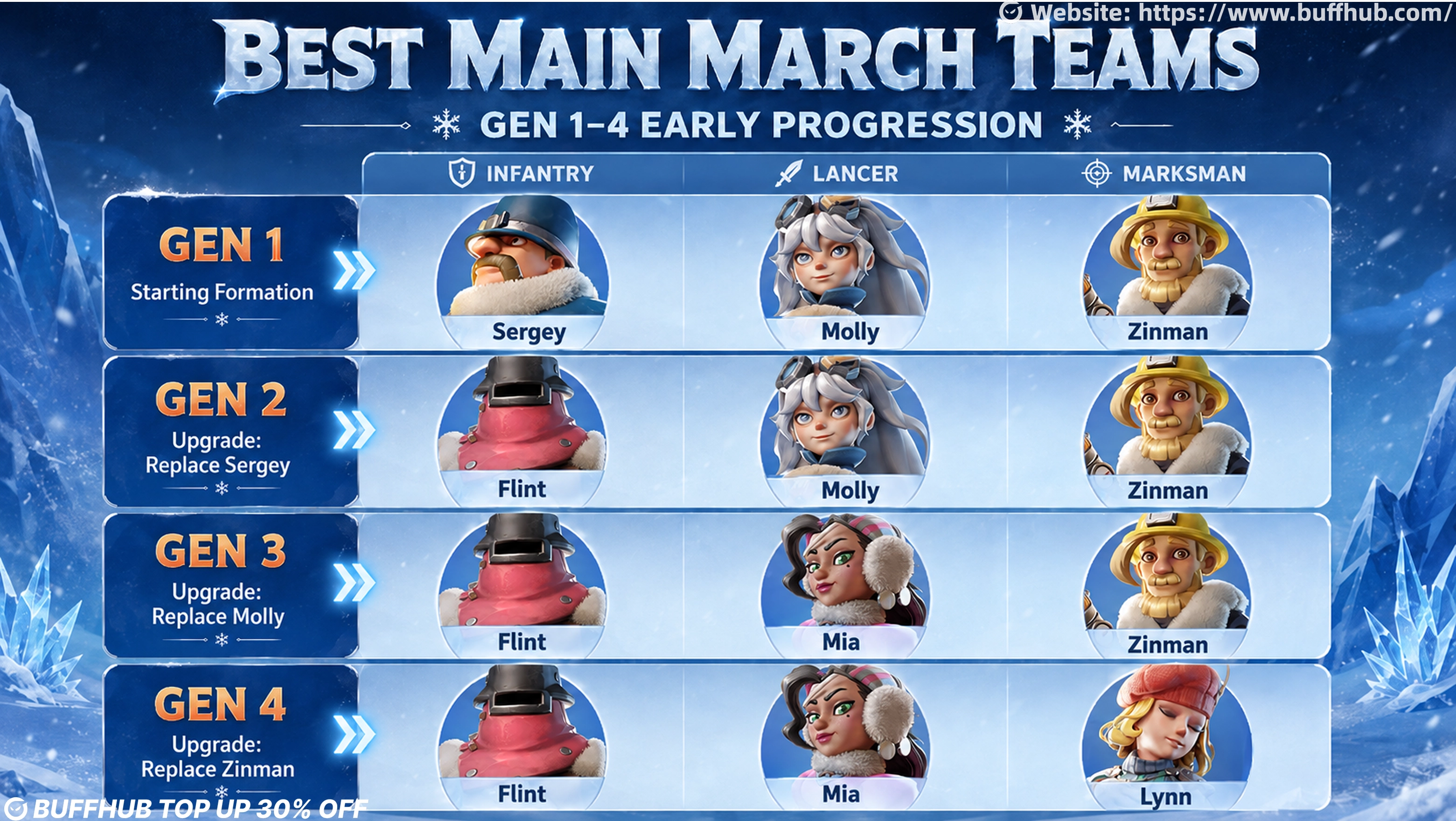
| Gen 1 | Sergey | Molly | Zinman | Starting formation |
| Gen 2 | Flint | Molly | Zinman | Replace Sergey |
| Gen 3 | Flint | Mia | Zinman | Replace Molly |
| Gen 4 | Flint | Mia | Lynn | Replace Zinman |
| Gen 5 | Hector | Mia | Lynn | Replace Flint |
| Gen 6 | Hector | Renee | Lynn | Replace Mia |
| Gen 7 | Hector | Renee | Bradley | Replace Lynn |
| Gen 8 | Gatot | Renee | Bradley | Replace Hector |
| Gen 9 | Gatot | Fred | Bradley | Replace Renee |
| Gen 10 | Gatot | Fred | Blanchette | Replace Bradley |
| Gen 11 | Eleonora | Fred | Blanchette | Replace Gatot |
| Gen 12 | Eleonora | Karol | Blanchette | Replace Fred |
| Gen 13 | Eleonora | Karol | Vulcanus | Replace Blanchette |
| Gen 14 | Elif | Karol | Vulcanus | Replace Eleonora |
| Gen 15 | Elif | Estrella | Vulcanus | Replace Karol |
| Gen 16 | Seigel | Estrella | Aisling | Replace Elif and Vulcanus |
| Gen 17 | Seigel | Bertha | Aisling | Replace Estrella |
This should be treated as an efficient progression route, not a rule that every account must follow. Heavy spenders may have access to stronger alternatives earlier, while F2P players may keep a developed hero for an additional generation if the replacement cannot immediately reach a competitive star level. The current Gen 1–17 progression recommendations similarly keep several older heroes active across multiple generations instead of rebuilding the entire march each season.
Why Should You Avoid Replacing Every Hero Each Generation?
Every new generation introduces higher base stats and new combat mechanics, but that does not mean all three heroes deserve immediate investment.
A new hero still needs:
- Hero Shards
- Skill Manuals
- Hero Gear
- Gear upgrade materials
- Exclusive Gear investment
- Enough stars to compete with your current hero
Replacing a five-star hero with an underdeveloped three-star character can reduce your real combat performance even when the newer hero has a stronger theoretical ceiling.
The best progression strategy is therefore simple:
Replace one weak slot at a time unless the new generation offers an unusually large power spike.
This approach also prevents Universal Mythic Shards and Exclusive Gear materials from being spread across heroes who leave the main march only one generation later.
What Is the Best Gen 1–4 Main March Progression?
The first four generations are about building a stable foundation without overspending on heroes who will be replaced relatively quickly. Players still learning the early progression systems can also check the Whiteout Survival Beginner's Guide for broader early-game planning.
Gen 1: Sergey + Molly + Zinman
For a practical early-game formation, Sergey + Molly + Zinman gives new players a balanced Infantry, Lancer, and Marksman core.
Sergey handles the frontline, Molly provides early damage, and Zinman fills the Marksman position.
However, Gen 1 deserves an important spending caveat. Players with access to premium heroes such as Jeronimo or Natalia can build stronger early formations than the standard progression team. The lineup above is aimed primarily at players following a realistic F2P or low-spend development path.
Avoid excessive long-term investment in Sergey because his position is the first one that receives a major upgrade.
Gen 2: Flint + Molly + Zinman
Flint is the most important Gen 2 replacement for the standard early-game march.
He takes the Infantry position from Sergey while Molly and Zinman remain useful enough to avoid rebuilding the entire team.
This is the first good example of the central rule behind this guide:
One strong replacement is often better than three unfinished new heroes.
Gen 3: Flint + Mia + Zinman
Generation 3 introduces Mia as the recommended Lancer upgrade.
She replaces Molly while Flint remains on the frontline and Zinman continues as the Marksman.
Mia is particularly valuable because she can remain relevant for several generations. Instead of treating her as a temporary Gen 3 purchase, players can justify stronger investment if she becomes a core part of their main march.
Gen 4: Flint + Mia + Lynn
Generation 4 finally replaces Zinman.
Lynn becomes the new Marksman and completes a strong Gen 4 core:
Flint + Mia + Lynn
At this stage, all three original progression heroes have gradually been replaced without forcing the account to rebuild its entire march at once.
Which Heroes Should You Upgrade During Gen 5–8?
Generations 5 through 8 introduce several heroes with much better longevity.
Gen 5: Hector Replaces Flint
The recommended team becomes:
Hector + Mia + Lynn
Hector provides a major Infantry upgrade and can remain useful for multiple generations.
This makes him a better long-term investment than constantly chasing minor Infantry improvements.
Gen 6: Renee Replaces Mia
The next important upgrade is the Lancer position:
Hector + Renee + Lynn
Renee gives the march a stronger Gen 6 Lancer while allowing both Hector and Lynn to continue providing value.
Gen 7: Bradley Replaces Lynn
Gen 7 finally changes the Marksman slot:
Hector + Renee + Bradley
Bradley is one of the more valuable older-generation heroes because his usefulness can continue beyond the generation in which he is released.
Players who build him properly do not need to immediately replace him when Gen 8 arrives.
Gen 8: Gatot Replaces Hector
Gen 8 brings the next important frontline upgrade:
Gatot + Renee + Bradley
Gatot replaces Hector while Renee and Bradley continue in their existing positions.
This creates another relatively efficient transition because only one hero needs major investment during the generation.
What Is the Best Gen 9–12 Main March?
The later generations punish inefficient spending more heavily because Hero Gear and Exclusive Gear investments become increasingly important.
Gen 9: Gatot + Fred + Bradley
Fred takes over the Lancer position from Renee.
Gatot and Bradley remain strong enough that there is little reason for most players to rebuild the other two positions immediately.
Gen 10: Gatot + Fred + Blanchette
Gen 10 introduces Blanchette as the next recommended Marksman upgrade.
The resulting march is:
Gatot + Fred + Blanchette
Again, the most efficient approach is a single major replacement rather than attempting to develop every Gen 10 hero.
Gen 11: Eleonora + Fred + Blanchette
Generation 11 is more important because Eleonora offers a major Infantry upgrade.
She replaces Gatot and can remain relevant beyond her release generation.
That makes:
Eleonora + Fred + Blanchette
one of the stronger transition teams before the later endgame generations. Current generation comparisons also rank Eleonora as the major Gen 11 Infantry investment.
Gen 12: Eleonora + Karol + Blanchette
Gen 12 changes the Lancer slot.
Karol is a strong damage-focused Lancer and becomes the recommended replacement for Fred:
Eleonora + Karol + Blanchette
Karol is also one of the major F2P investment targets of Gen 12 because she is associated with the Lucky Wheel progression route.
What Is the Best Gen 13–15 Main March?
This is where the long-term endgame structure becomes especially important.
Several heroes introduced during these generations remain strong enough that replacing them too quickly can be a waste of resources.
Gen 13: Eleonora + Karol + Vulcanus
The biggest Gen 13 upgrade is Vulcanus.
He replaces Blanchette and gives the march a significantly stronger Marksman option:
Eleonora + Karol + Vulcanus
Current Gen 13 comparisons place Vulcanus as the major Marksman priority of the generation, while Gisela and Flora offer more specialized Infantry and Lancer options.
Gen 14: Elif + Karol + Vulcanus
Generation 14 provides three strong heroes, but an efficient account still does not have to build all three immediately.
Elif becomes the most important main-march replacement in this progression route:
Elif + Karol + Vulcanus
Elif brings frontline protection, shields, defensive buffs, and enemy Attack reduction, making her a natural replacement for Eleonora.
Karol and Vulcanus remain strong enough to stay.
Gen 15: Elif + Estrella + Vulcanus
Gen 15 is where Estrella becomes the key upgrade.
The recommended team becomes:
Elif + Estrella + Vulcanus
Estrella combines AoE damage with useful debuffs and is currently considered the highest-priority Gen 15 hero for many F2P progression paths.
Hank and Viveca are not bad heroes. They simply do not automatically justify replacing a well-developed Elif or Vulcanus for every account.
What Is the Best Gen 16 Main March?
Generation 16 creates a larger shake-up than most previous generations.
The recommended general progression lineup is:
Seigel + Estrella + Aisling
This means replacing two positions instead of one:
- Seigel replaces Elif as Infantry.
- Estrella remains as the Lancer.
- Aisling replaces Vulcanus as Marksman.
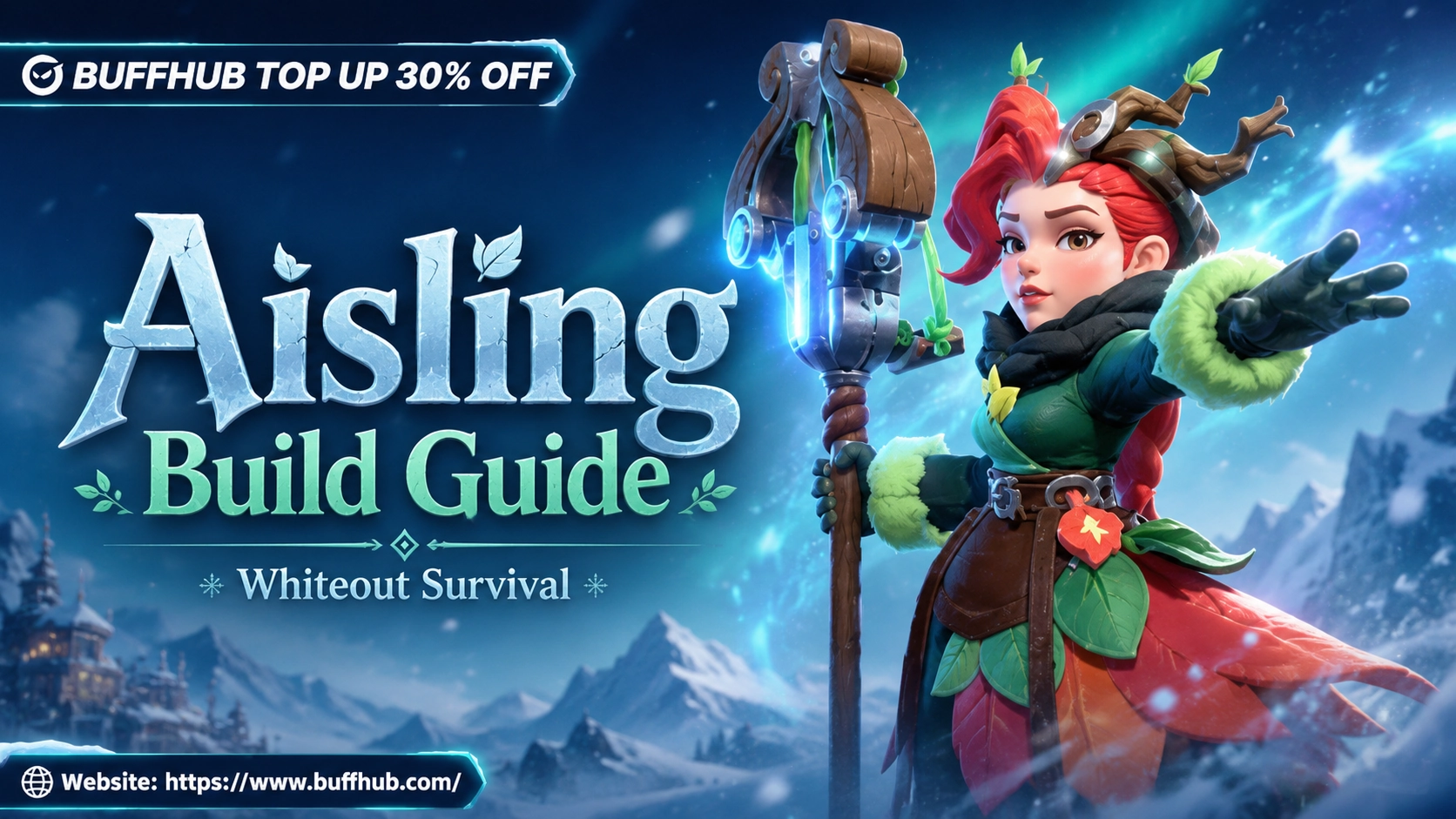
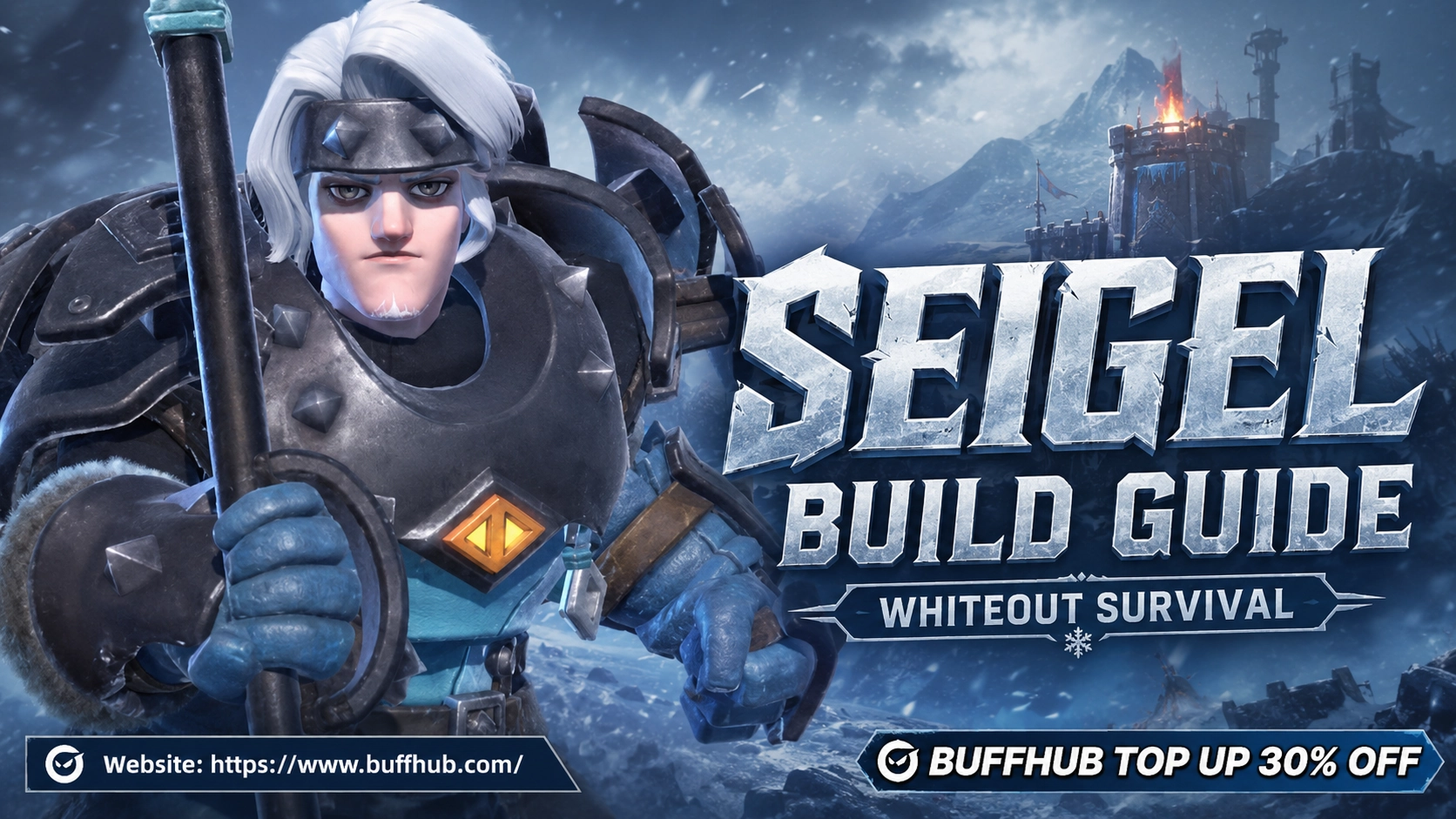
Seigel is built around frontline durability, reflection, and defensive utility, while Aisling provides strong ranged damage and control. Current Gen 16 comparisons describe Seigel as the defensive Infantry option and Aisling as the primary F2P damage priority of the generation.
BUFFHUB already has individual build guides for Seigel, Ursar, and Aisling, so players who reach this stage should evaluate their available stars and gear before transferring a fully developed older hero out of the main march.
What Is the Best Gen 17 Main March in 2026?
For the current Gen 17 environment, the most resource-efficient general main march is:
Seigel + Bertha + Aisling
This is important because the answer is not automatically Aiden + Bertha + Eleanor just because those are the three newest heroes.
The current Whiteout Survival Hero Tier List 2026 places:
- Eleanor — S Tier
- Aiden — A+ Tier
- Bertha — A+ Tier
while Gen 16 Seigel and Ursar remain S+, and Aisling remains S Tier.
For that reason, players who already invested heavily in Seigel and Aisling can often keep them and make Bertha the primary Gen 17 main-march replacement.
Why Keep Seigel?
Seigel remains an extremely strong Infantry option.
Replacing a developed Seigel with a lower-star Aiden simply because Aiden belongs to Gen 17 is not automatically an upgrade.
Aiden does bring useful defensive and offensive utility, including troop-wide bonuses and strong Arena value, but his value depends on the mode and investment level. BUFFHUB's current Aiden guide treats him as a strong but not mandatory Gen 17 investment.
Why Add Bertha?
Bertha gives the team healing, control, Lethality support, enemy vulnerability, and additional Lancer/Marksman synergy.
That combination makes her a useful replacement for Estrella when she can reach a competitive development level.
However, a fully developed Estrella does not need to be removed on day one. Players short on shards can continue using her until Bertha reaches a practical star and skill threshold.
What About Eleanor?
Eleanor is currently the highest-rated overall Gen 17 hero on BUFFHUB's 2026 Hero Tier List and is particularly attractive for Bear Hunt and players who need a new Marksman.
That does not necessarily mean every Aisling owner should immediately replace Aisling.
If your Aisling already has high stars, upgraded skills, developed Hero Gear, and strong Exclusive Gear, the resource cost of rebuilding the Marksman position may outweigh the immediate benefit.
Eleanor should therefore be viewed as a strong account-specific upgrade, rather than a compulsory replacement for every Gen 17 player.
Which Main March Heroes Give the Best Long-Term Value?
Certain heroes stand out because they remain in the recommended progression route for multiple generations.
| Hero | Main Generations Used | Why the Investment Lasts |
|---|---|---|
| Flint | Gen 2–4 | Strong early Infantry replacement |
| Mia | Gen 3–5 | Long-lasting early Lancer |
| Hector | Gen 5–7 | Durable Infantry investment |
| Renee | Gen 6–8 | Efficient multi-generation Lancer |
| Bradley | Gen 7–9 | Strong Marksman longevity |
| Gatot | Gen 8–10 | Reliable late-game frontline |
| Blanchette | Gen 10–12 | Marksman that survives several generations |
| Eleonora | Gen 11–13 | Excellent Infantry longevity |
| Karol | Gen 12–14 | Strong Lancer investment |
| Vulcanus | Gen 13–15 | High-value Marksman |
| Elif | Gen 14–15 | Strong defensive Infantry |
| Estrella | Gen 15–16 | Damage plus scalable debuff value |
| Seigel | Gen 16–17 | Remains strong after Gen 17 arrives |
| Aisling | Gen 16–17 | Competitive Marksman into Gen 17 |
These are the heroes where additional skill, star, and gear investment is generally easier to justify because the character is not expected to disappear from the main march immediately.
What Should F2P Players Prioritize?
F2P players should think in terms of replacement value, not collection.
Before investing in a new hero, ask three questions:
- Is this hero replacing the weakest position in my main march?
- Can I raise the new hero to a competitive star level?
- Will this hero remain useful long enough to justify the resources?
If the answer to one of those questions is no, saving resources for the next generation may be the better decision.
Lucky Wheel heroes are particularly important because they provide a more realistic path to high star levels without requiring the same spending as premium shard sources.
Avoid using Universal Mythic Shards simply to finish every hero you unlock. Those shards become much more valuable when saved for a hero who creates a major upgrade in your actual main march.
For players who do choose to purchase packs while developing their main march, the Whiteout Survival top-up page provides another option for managing paid progression alongside your normal resource planning.
Should You Transfer Hero Gear to Every New Hero?
No.
Hero Gear should follow your main troop positions, not the newest portrait in your Hero menu.
If your new Infantry hero is actually replacing your old Infantry hero, transferring your strongest Infantry Hero Gear makes sense.
If the new character is still three stars and performs worse than your existing five-star hero, keep the completed hero equipped until the replacement is ready.
This is particularly important in Gen 16 and Gen 17, where older high-tier heroes can remain competitive despite the arrival of newer characters.
Is the Best Main March Also the Best Arena or Bear Hunt Team?
Not necessarily.
This guide focuses on a general three-hero main march for long-term progression and combat investment.
Different modes reward different mechanics.
Arena uses a five-hero formation and places much more emphasis on Exploration skills, positioning, burst damage, healing, and crowd control.
Bear Hunt prioritizes boss damage and rally-related Expedition skills rather than general PvP durability.
Garrison and defensive battles can favor defensive buffs, damage reduction, Health, and troop survivability. Players focusing more heavily on competitive battles can use the Whiteout Survival PvP guide for additional rally, scouting, troop formation, and battlefield strategy.
That is why a hero who does not make this general main-march progression can still be extremely valuable elsewhere.
Aiden, Eleanor, Ursar, Dominic, Jeronimo, Jessie, Jasser, Seo-yoon, and other heroes can all have important roles that are not fully represented by a single three-hero progression table.
What Is the Final Best Main March for Gen 17?
For a player following an efficient long-term progression route in 2026, the current recommended Gen 17 main march is:
Seigel + Bertha + Aisling
The most important lesson, however, is not the final three names.
Whiteout Survival rewards controlled replacement.
Do not rebuild your team every generation. Keep strong heroes when they still perform, replace the weakest slot when a meaningful upgrade becomes available, and concentrate your premium resources on characters that will remain useful for more than one short generation.
For Gen 17 players who already own developed Gen 16 heroes, this means evaluating Aiden, Bertha, and Eleanor individually rather than automatically replacing Seigel, Ursar, or Aisling.
Your strongest march is not always the newest march.
It is the strongest formation your account can actually finish.
Frequently Asked Questions
What is the best Gen 17 main march in Whiteout Survival?
A practical general-purpose Gen 17 progression team is Seigel, Bertha, and Aisling. Players with a heavily developed Eleanor or Aiden can adjust the formation according to their existing Hero Gear, stars, and preferred game mode.
Should I use all three newest heroes in my main march?
No. A newer generation does not automatically make every hero worth building. A finished older hero can outperform a newer hero with fewer stars, lower skills, and weaker Exclusive Gear.
Which Gen 17 hero should I build first?
It depends on the position your account needs most. Eleanor currently has the highest overall Gen 17 rating, while Bertha offers strong Lancer support and Aiden is particularly useful for PvP and defensive applications.
Is Seigel still worth using after Gen 17?
Yes. Seigel remains one of the strongest Gen 16 heroes and does not need to be automatically replaced when Aiden becomes available.
Is Aisling still good in Gen 17?
Yes. Aisling remains a competitive Marksman, particularly for players who already invested heavily in her stars, skills, Hero Gear, and Exclusive Gear.
What should F2P players spend Universal Mythic Shards on?
Use them primarily on heroes who create a major main-march upgrade and are likely to remain relevant for several generations. Avoid spreading Universal Mythic Shards across every newly released hero.
Does the best main march also work for Arena?
Not exactly. Arena uses five heroes and depends more heavily on Exploration skills and positioning. A dedicated Arena team should be built separately from a three-hero Expedition-focused main march.
Does the best main march also work for Bear Hunt?
Not always. Bear Hunt rewards boss damage, rally buffs, and specific Expedition skills. Some heroes that are excellent in Bear Hunt may not be the best general PvP main-march choice.